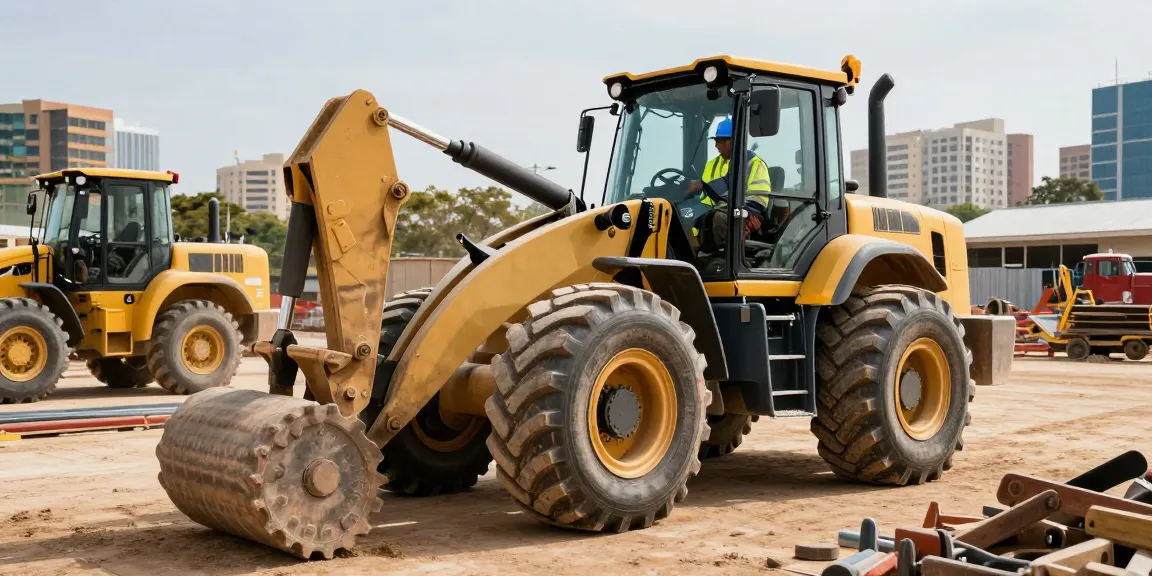
Understanding Construction Safety Programs
In the world of construction, safety is paramount. The physical and sometimes hazardous nature of construction work necessitates well-structured safety protocols to protect the workforce. This is where construction safety programs play a critical role. A robust safety program not only mitigates risks but also fosters a culture of safety awareness that benefits both workers and management by reducing accidents and optimizing productivity.
Importance of Safety in Construction
The construction industry is among the most dangerous fields, with workers exposed to various hazards, from falls and equipment accidents to being struck by moving objects. According to OSHA statistics, nearly one in ten construction workers is injured annually. This makes it crucial for construction companies to implement effective safety standards and measures. A strong safety program addresses several critical areas:
- Reducing accidents and injuries: By identifying and mitigating potential hazards, safety programs can significantly lower the rates of accidents and injuries.
- Compliance with legal regulations: Construction safety programs ensure compliance with OSHA regulations and various local laws, thereby avoiding legal repercussions.
- Enhancing workplace morale: Workers feel valued and safe, leading to improved productivity and job satisfaction when they know strict safety measures are in place.
- Lowering insurance costs: Fewer accidents mean lower insurance premiums and liability costs, positively impacting the business's bottom line.
Key Components of Construction Safety Programs
An effective construction safety program consists of several components that work in tandem to promote a safe working environment. Here are the essential elements:
- Risk Assessment: Identifying potential hazards specific to the site and activities performed.
- Safety Training: Regular training sessions to ensure all workers understand safety protocols and procedures.
- Emergency Response Plans: Preparing for potential emergencies by having clear plans and training employees on how to react.
- Regular Maintenance and Safety Checks: Ensuring equipment and safety gear are well-maintained and regularly inspected.
- Documentation and Record Keeping: Keeping thorough records of all safety training, incidents, and maintenance checks to track progress and compliance.
Identifying Risks and Hazards
The first step in developing a construction safety program is the comprehensive identification of risks and hazards. This assessment should cover both physical hazards that might arise in the construction environment and organizational risks associated with construction project management. Risk identification can employ various techniques, including:
- Job Hazard Analysis (JHA): Analyzing each job task to identify potential hazards and determine safety measures.
- Site Inspections: Regular walk-throughs of the job site to identify existing or potential hazards.
- Employee Feedback: Engaging workers to report unsafe conditions or practices they observe on the job.
Creating a Construction Safety Program
Establishing a construction safety program requires a structured approach that involves several steps to effectively develop safety protocols tailored to the specific job site and workforce.
Steps for Developing Safety Protocols
Developing safety protocols involves a systematic approach that includes the following steps:
- Assessment of Needs: Evaluate current safety conditions and determine what protocols need to be created or improved.
- Development of Safety Procedures: Draft clear and concise safety procedures that are specific to operations at the worksite.
- Establishment of Responsibilities: Define roles and responsibilities for implementing and adhering to safety protocols.
- Approval and Review: Obtain necessary approvals from management and then review the safety protocols regularly for relevance and effectiveness.
Engaging Employees in Safety Initiatives
Employee involvement is critical to the success of any construction safety program. Engaging employees can be achieved through:
- Regular Safety Meetings: Holding meetings to discuss safety updates, concerns, and input from employees.
- Incentive Programs: Implementing reward systems for workers who adhere to safety protocols or report hazards effectively.
- Peer Safety Observations: Training workers to observe each other’s practices can lead to higher accountability and adherence to safety protocols.
Training and Resource Allocation
Comprehensive training is fundamental to ensuring a successful construction safety program, and allocating adequate resources for this purpose is equally important. Key training aspects should include:
- New Hire Orientation: Introducing new workers to safety protocols during onboarding.
- Refresher Training: Ongoing education for seasoned employees to keep safety practices top-of-mind.
- Resource Allocation: Providing necessary safety gear, resources, and materials for proper training and implementation.
Common Challenges in Safety Program Implementation
Resistance to Change from Workers
One of the most significant challenges in implementing safety programs is the resistance to change from workers. This resistance may stem from a lack of understanding or previous negative experiences associated with safety protocols. Strategies to mitigate resistance include:
- Involvement in Development: Involving workers in the creation of safety protocols increases buy-in.
- Transparent Communication: Explaining the reasons behind changes and how they benefit workers can help alleviate concerns.
Budget Constraints and Resources
Budget limitations often impede the implementation of effective construction safety programs. To address this issue, construction companies can adopt a strategic approach that includes:
- Prioritizing Key Areas: Focusing on the most significant risks and safety needs to ensure essential protocols are appropriately funded.
- Seeking External Grants: Looking for grants and resources from government agencies or safety organizations can alleviate financial pressure.
Effective Communication Strategies
Effective communication is critical in successfully implementing safety programs. Companies should consider these strategies:
- Clear Messaging: Ensuring that all communications about safety policies are clear and understandable.
- Utilizing Multiple Platforms: Sending safety updates through emails, posters, and briefings to reach all employees effectively.
Measuring the Success of Safety Programs
To ensure that the construction safety program is effective, it is vital to measure its success using established metrics. Measurement allows companies to evaluate their strategy's efficiency and identify areas for improvement.
Key Performance Indicators to Track
Identifying and tracking specific Key Performance Indicators (KPIs) can give invaluable insights into the effectiveness of safety initiatives, including:
- Incident Rates: Tracking the number of accidents and injuries over time to assess whether safety measures reduce incidents.
- Training Completion Rates: Measuring the percentage of employees completing safety training within specified timelines.
- Safety Audit Results: Evaluating outcomes of regular safety audits to identify compliance and areas for improvement.
Feedback Mechanisms for Improvement
Creating feedback loops is crucial to continuously improving safety programs. Implementing methods such as:
- Anonymous Surveys: Allowing workers to provide anonymous feedback on safety concerns fosters trust and openness.
- Incident Review Meetings: Analyzing incidents to understand root causes and implement against them for future prevention.
Regular Audits and Safety Checks
Conducting regular safety audits and checks serves as a proactive measure to maintain safety protocols. Key practices include:
- Scheduled Audits: Establishing a regular schedule for comprehensive safety audits. This consistency helps ensure that safety practices are continually assessed.
- Spontaneous Checks: Performing unannounced checks to encourage ongoing adherence to safety protocols.
FAQs About Construction Safety Programs
What are construction safety programs?
Construction safety programs are structured plans designed to identify, assess, and manage risks in construction environments to protect workers' safety and health.
How do safety programs improve workplace culture?
Safety programs nurture a culture of responsibility and awareness among employees, leading to increased morale, trust, and a focus on mutual well-being.
What training is required for effective safety programs?
Effective safety programs require both initial and refresher training on safety protocols, hazard recognition, and emergency response tailored to specific construction tasks.
How can management support safety initiatives?
Management can support safety initiatives by allocating resources, engaging with employees in safety discussions, and leading by example in following safety protocols.
What are the legal requirements for safety programs?
Legal requirements for safety programs vary by location but generally include compliance with OSHA standards and regular training, inspections, and documentation of safety practices.