Understanding the Mediterranean Diet
What is the Mediterranean Diet?
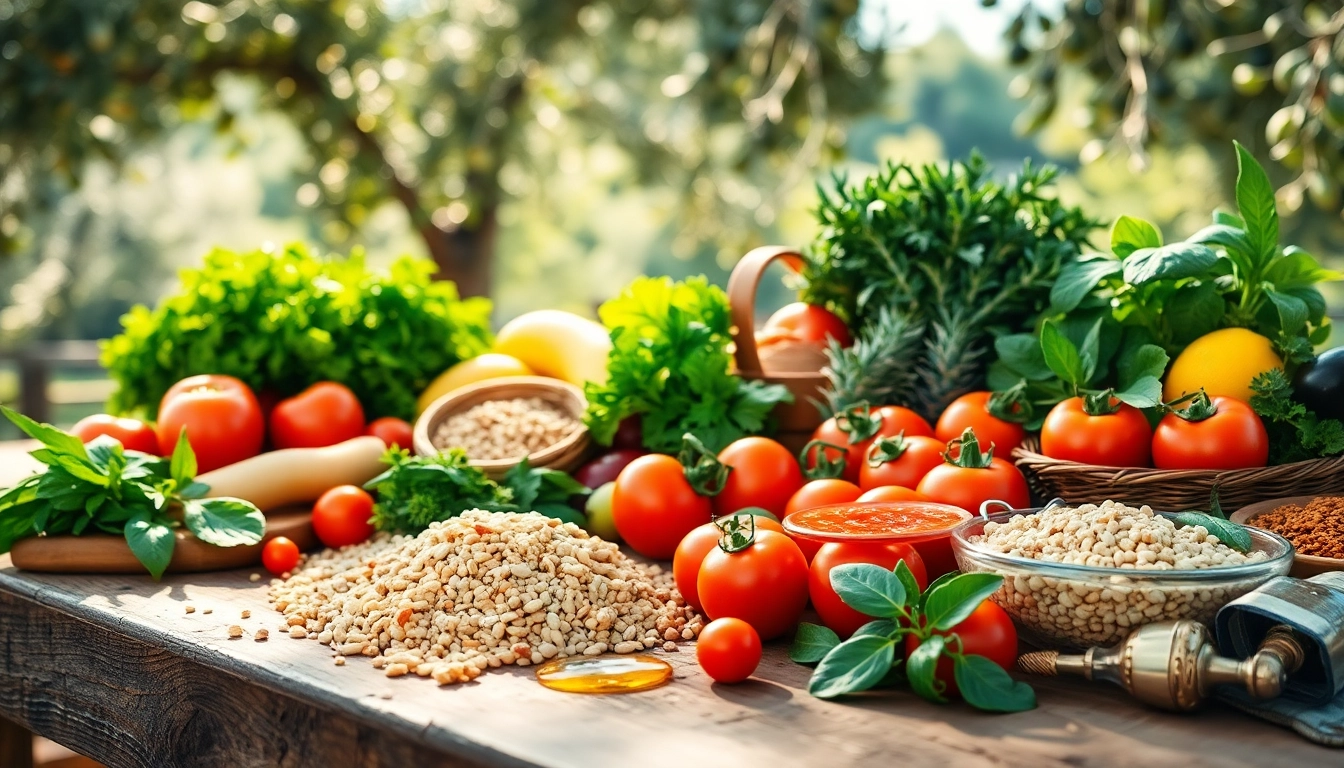
The mediterranean diet is not just a dietary regime but a lifestyle that emphasizes consuming the diverse foods traditionally found in the Mediterranean region. This way of eating focuses on plant-based ingredients for the most part, incorporating an array of fresh fruits and vegetables, whole grains, nuts, and legumes, with olive oil as the primary source of fat. It encourages a balanced intake of lean protein, primarily from fish and poultry, while red meats and sweets are limited. This diet is often heralded for its health benefits, earning recognition as one of the most effective eating patterns worldwide for promoting overall well-being and longevity.
Key Components of the Mediterranean Diet
The key components of the Mediterranean diet are not only limited to the types of food consumed, but they also emphasize the methods of preparation and the social context of meals. Key elements include:
- Fruits and Vegetables: Fresh, seasonal, and diverse be the mainstay of meals.
- Whole Grains: Recent studies are supporting the inclusion of whole grains, such as barley, bulgur, and quinoa.
- Healthy Fats: Extra virgin olive oil serves as the primary fat, along with sources of omega-3 fatty acids from fish and seeds.
- Nuts and Legumes: Almonds, walnuts, lentils, and chickpeas contribute protein, healthy fats, and essential nutrients.
- Seasonal and Local Ingredients: Prioritizing what’s fresh and local ensures a high nutrient density in meals.
- Low Consumption of Red Meat and Sweets: These foods are typically enjoyed sparingly and as part of a balanced diet.
Health Benefits of the Mediterranean Diet
The health benefits attributed to the Mediterranean diet are wide-ranging and backed by numerous studies. Research indicates the diet promotes heart health, aids in weight control, supports digestive health, and may even enhance mental well-being. Some specific benefits include:
- Cardiovascular Health: High in omega-3 fatty acids, this diet reduces the risk of heart disease and hypertension.
- Weight Management: Its focus on nutrient-dense foods can help maintain a healthy weight and reduce obesity-related conditions.
- Diabetes Prevention and Management: The diet's low glycemic load helps regulate blood sugar levels.
- Mental Health Benefits: Evidence suggests a link between the diet and a lower risk of depression and cognitive decline.
Core Principles of the Mediterranean Diet
Emphasizing Plant-Based Foods
The Mediterranean diet prioritizes plant foods due to their wealth of vitamins, minerals, and antioxidants. Fruits, vegetables, whole grains, nuts, and beans form the basis of each meal. When following this diet, aim to fill at least half your plate with vegetables and fruits, creating a colorful, varied, and enticing spread. This approach not only enhances nutritional intake but also makes meals more satisfying and enjoyable.
Healthy Fats in Your Mediterranean Diet
Unlike many traditional low-fat diets, the Mediterranean diet embraces healthy fats, particularly from sources like olive oil, nuts, and fatty fish. While it’s vital to consume fats in moderation, incorporating these sources promotes satiety and provides essential fatty acids. Olive oil, in particular, has been lauded for its ability to lower inflammation, decrease cholesterol levels, and improve overall heart health.
Whole Grains and Lean Proteins
Whole grains are a staple, with preferences leaning toward foods like brown rice, whole wheat bread, and oats. These grains are high in fiber, which supports healthy digestion and helps regulate blood sugar levels. Protein sources include fish, poultry, beans, and legumes—options that are lean and nutrient-dense. Fish, notably rich in omega-3s, should ideally be consumed at least twice a week, replacing less healthy meat options.
Creating Your Mediterranean Diet Meal Plan
Essential Foods for Your Pantry
Stocking your pantry with the right ingredients is crucial for success on the Mediterranean diet. Essential items include:
- Extra virgin olive oil
- Whole grains like quinoa, brown rice, and whole wheat pasta
- A variety of legumes such as lentils and chickpeas
- Fruits and vegetables (fresh, frozen, or canned without added sugar or sodium)
- Nuts and seeds (unsalted varieties are preferable)
- Herbs and spices for flavoring
Sample Meal Plan for Beginners
Adopting a Mediterranean diet can seem daunting at first, which is why a sample meal plan for beginners can ease the transition. Here’s a simple one-day plan:
- Breakfast: Greek yogurt with honey and mixed berries, topped with a sprinkle of walnuts.
- Lunch: Quinoa salad with chickpeas, diced cucumber, tomatoes, parsley, olive oil, and lemon dressing.
- Snack: Sliced apple with almond butter.
- Dinner: Grilled salmon with a side of roasted vegetables and whole-grain couscous.
Tips for Meal Prep in the Mediterranean Diet
Meal prep can be a helpful strategy for maintaining your Mediterranean diet. Consider these tips:
- Batch cook whole grains and legumes at the start of the week for easy use in different meals.
- Prepare dressings with olive oil and herbs to add flavor to salads and grains quickly.
- Store chopped vegetables in the fridge for quick and easy additions to meals.
- Make large batches of soup or stew using seasonal vegetables and legumes.
Challenges and Solutions for Following the Mediterranean Diet
Common Misconceptions about the Mediterranean Diet
Despite its popularity, several misconceptions surround the Mediterranean diet. Many people think it is luxurious and only involves expensive ingredients. However, it can be made accessible using seasonal produce and bulk items from local stores. Another common myth is that following this diet means giving up foods one loves; in reality, it encourages a balanced approach that includes indulgences in moderation.
Overcoming Cultural and Lifestyle Barriers
Adapting to the Mediterranean diet may require a shift in daily routines or cultural food practices. Here are a few strategies:
- Gradually incorporate Mediterranean-style meals into your routine, focusing initially on one meal a day or week.
- Engage family members in the process, allowing them to choose and prepare dishes together.
- Emphasize the social aspect of meals, encouraging shared experiences like family dinners, which can also promote healthier food choices.
Strategies for Dining Out on the Mediterranean Diet
Dining out does not have to derail your Mediterranean diet efforts. Consider these strategies:
- Opt for dishes centered around vegetables, grains, and lean proteins.
- Request dressings and sauces on the side to control portion sizes.
- Share larger meals with dining companions to enjoy a variety of Mediterranean flavors without overindulging.
Delicious Mediterranean Diet Recipes to Try Today
Quick and Easy Mediterranean Diet Recipes
Here are a few quick recipes that highlight the essence of the Mediterranean diet:
- Chickpea Salad: Combine canned chickpeas, diced cucumber, cherry tomatoes, red onion, feta cheese, olives, and a drizzle of olive oil with lemon juice.
- Vegetable Stir-Fry: Sauté seasonal vegetables in olive oil with garlic, and toss with cooked whole grain of choice for a satisfying meal.
A Focus on Seasonal Ingredients
Incorporating seasonal ingredients not only enhances flavor but also ensures freshness and nutritional value. Examples include:
- Spring: Asparagus, peas, and fresh herbs.
- Summer: Tomatoes, eggplant, zucchini, and berries.
- Fall: Squash, sweet potatoes, and apples.
- Winter: Root vegetables, citrus fruits, and hearty greens like kale.
Making the Mediterranean Diet Family-Friendly
When adopting the Mediterranean diet, it’s essential to consider family preferences to ensure everyone enjoys the shift in eating habits. Here are key strategies to engage family members:
- Involve children in meal preparation, allowing them to choose from a list of Mediterranean recipes.
- Create a fun “theme night” where each family member can introduce a dish from the Mediterranean region.
- Ensure meals are colorful and enticing to appeal to children's preferences.